PCOS Nutritionist in Lahore
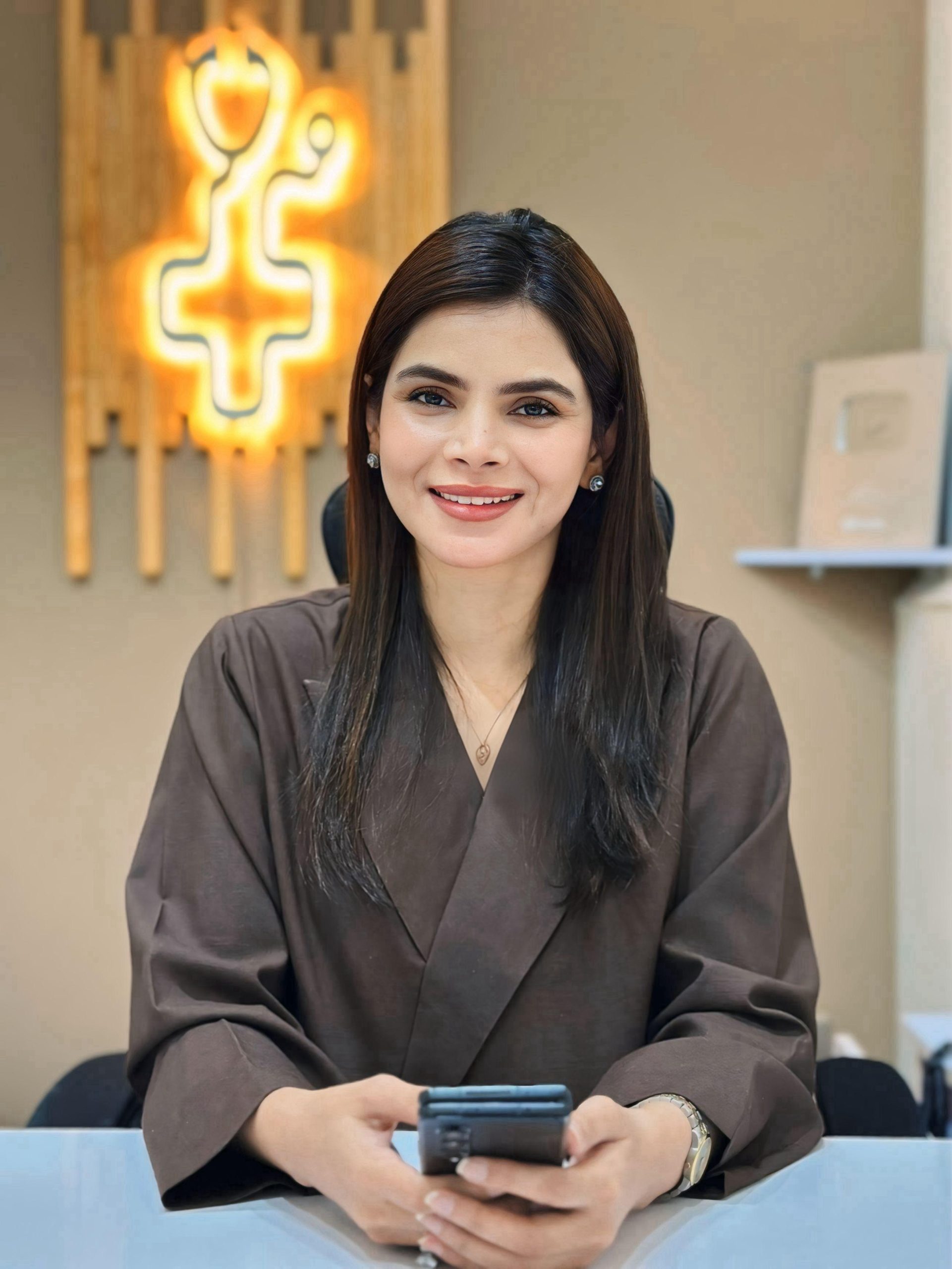
Ayesha Nasir helps women manage PCOS through clinical nutrition. She builds hormone-focused diet plans that address the root drivers of PCOS, such as insulin resistance, chronic inflammation, and hormonal imbalance, using food that actually exists in Pakistani homes.
If you’ve been diagnosed with PCOS and told just to eat healthy and lose weight, you need a more specific plan than that. Ayesha Nasir provides one. Online and in-clinic consultations available.
Don’t Wait, Reserve Your Appointment
Happy Clients
Custom Meal Plans
Years of Experience
Google Reviews

PCOS Nutritionist in Lahore
Why PCOS Needs a Different Approach
PCOS is a hormonal and metabolic condition where insulin resistance, elevated androgens, and chronic inflammation interact and result in excessive insulin and disrupted ovulation, and cause fat storage as well. If you are not sure whether it applies to you, start with the symptoms of PCOS and how it is properly diagnosed.
PCOS is common in Pakistan, and plenty of women live with it for years before anyone puts a name to it. It does not help that the everyday plate in Lahore leans heavily on refined carbohydrates and fried food, which is exactly what insulin resistance responds badly to.
The work focuses on steadying your blood sugar through the day so there is less insulin circulating, and it is done with food from a normal desi kitchen rather than anything imported.
PCOS Nutrition Services by Ayesha Nasir
What Her Approach Involves
- PCOS-specific nutrition.
- Plans that address your specific symptom pattern such as weight gain, irregular periods, acne, hair loss, or fertility concerns.
- Designed around Pakistani meals such as roti, rice, daal, sabzi, with the right modifications.
- Coordinated with gynaecologist or endocrinologist treatment where needed.
- Ongoing adjustments as your hormones and weight respond.
PCOS & Insulin Resistance Diet Plans
Insulin resistance drives the majority of PCOS symptoms. Ayesha builds low-glycaemic and high-fibre meal plans that reduce blood sugar spikes and lower the circulating insulin in women to stabilise the condition.
PCOS Weight Management
With PCOS the weight goes on easily and comes off slowly. A calorie deficit still matters, it simply works better when insulin is steady, so the plan handles both at once instead of only counting calories.
PCOS & Acne / Hair Loss
Raised androgens are behind the facial hair and the thinning at the scalp. Food is not a cure for either, but improving insulin sensitivity often takes some pressure off, and that is what the plan works on alongside your doctor or dermatologist.
PCOS & Irregular Periods
Cycles often settle down once insulin sensitivity improves. Food is a big part of that, along with movement, sleep and whatever your gynaecologist has advised.
PCOS & Fertility Nutrition
Ayesha Nasir provides pre-conception nutrition plans that optimise hormonal health and prepare the body for pregnancy.
PCOS in Teenagers
If your daughter has irregular periods or acne that will not settle, it is worth having her seen early. Habits built at fifteen are much easier than habits rebuilt at thirty.
What Breakfast Looks Like With Insulin Resistance
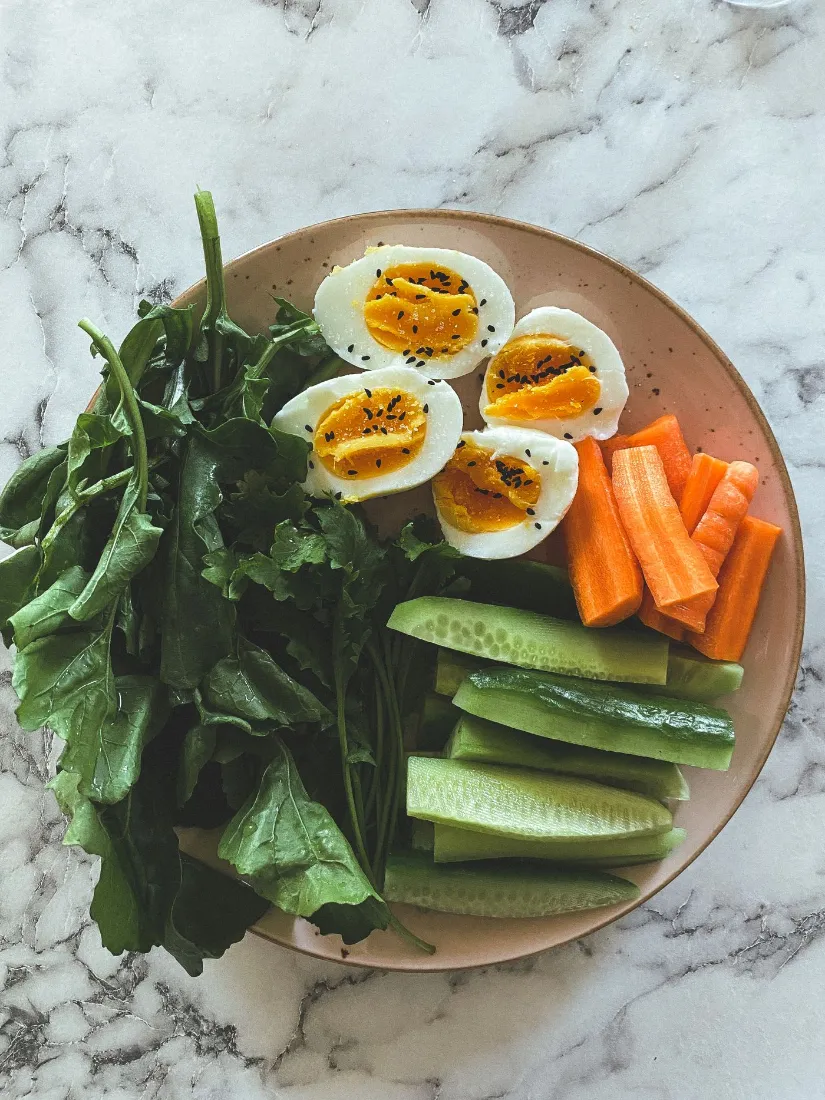
Breakfast is where most PCOS plans quietly fall apart. A paratha with chai, halwa puri on the weekend, or white bread with jam on the way out of the door all drop a large load of refined carbohydrate into a body that is already struggling to handle it. You feel fine for an hour, then you are starving and short tempered by eleven.
What replaces it is nothing exotic. An egg or two with one roti, chana chaat, yogurt with fruit and a few nuts, last night’s daal, a besan cheela. The pattern is what matters: protein first, some fibre with it, and not starting the day on sugar and maida alone. Chai can stay. It just should not be the entire breakfast.
If You Are Already on Metformin
Plenty of women arrive already on metformin, and the plan works with it rather than instead of it. Two practical things come up constantly. It sits better on the stomach when it is taken with food, which means meals cannot be skipped the way many women are used to skipping them. And it does not make refined carbohydrate harmless, so the diet still has to do its own job.
Whether you stay on it, change the dose or come off it is your doctor’s call and nobody else’s. Nothing here should be read as a reason to stop a medicine.
Inositol, PCOS Teas and Supplements
There is a long list of things sold for PCOS in Pakistan, from imported inositol sachets to herbal teas that promise regular periods. Inositol does have research behind it and a number of doctors do suggest it, but that is a conversation to have with your own doctor rather than something to start because of a post you came across. The slimming and detox teas have nothing behind them at all. Ayesha Nasir does not sell supplements of any kind, so there is nothing here that anyone is trying to move.
Bring the box with you
If you are already taking something, bring the box along to the session so it can be accounted for in the plan.
Fasting in Ramadan With PCOS
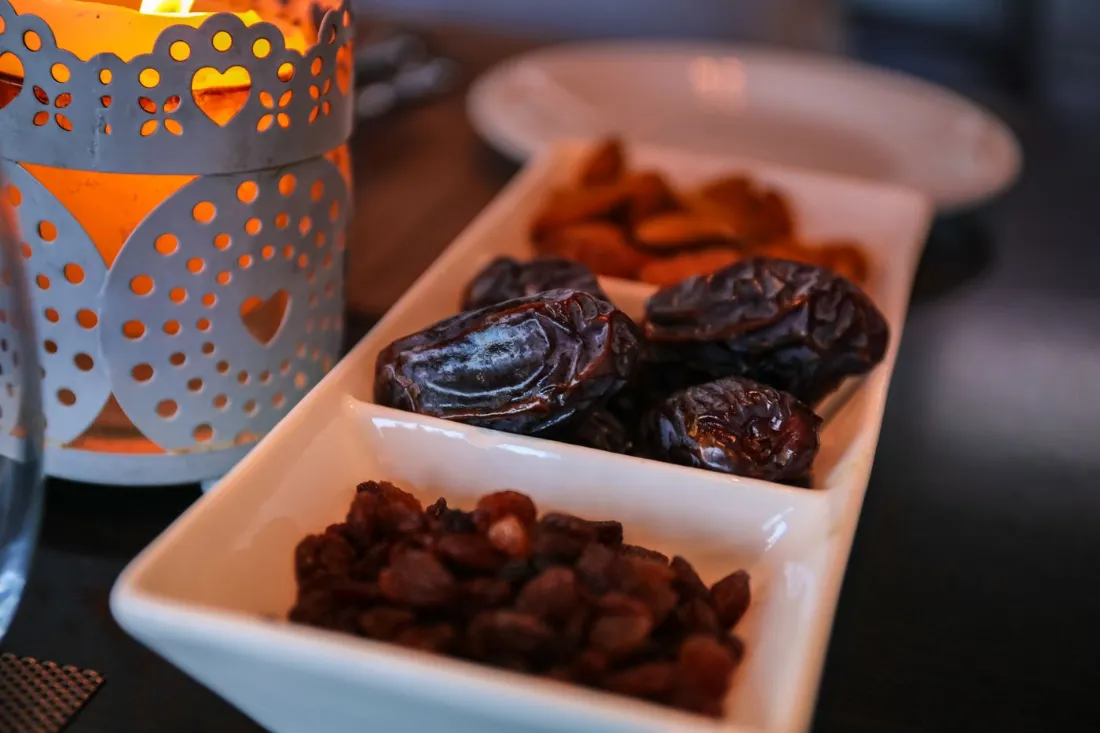
Ramadan is manageable with PCOS, but the usual pattern makes it harder than it needs to be. Dates, a glass of something sweet, pakoras and then meetha at iftar is a heavy sugar load on an empty stomach, and it tends to leave you flat and hungry again by midnight. Moving some of the protein to sehri, keeping yogurt, eggs or chana in the evening meal, and drinking water steadily across the night changes how the whole month feels.
If you are on medication or trying to conceive, whether to fast at all is a question for your doctor before it is a question about food.
5–10%
of body weight is often enough to bring cycles back
How Much Weight Actually Needs to Come Off
This one surprises people. Women are told to lose weight with no number attached, and they assume it means twenty or thirty kilos. In practice a fairly modest loss, usually quoted as somewhere around five to ten percent of body weight, is enough for many women to see their cycles improve. On an eighty kilo frame that is four to eight kilos. It is not a transformation, it is a start.
It does not hold true for everyone, and some women have PCOS at a perfectly normal weight. In that case the plan is about insulin and inflammation and has nothing to do with the scale.
Where a Dietitian Stops
It is worth being clear about the boundary. The diagnosis itself, ultrasounds, hormone panels, metformin, the pill, anything to do with fertility treatment, and dermatological treatment for acne or unwanted hair all sit with your gynaecologist, endocrinologist or dermatologist. Ayesha Nasir is a registered dietitian. She does not diagnose, does not prescribe, and will not tell you to change a medicine.
What she does is take that diagnosis and those reports and build the eating side of it, then keep adjusting as your weight, cycles and symptoms move.
- Before your first session: bring your PCOS diagnosis if you have it in writing, your most recent hormone and sugar reports, and the names of any medicines or supplements you are on.
- Booking: call or WhatsApp 0306 6933336. In person visits are at Holistic Care, Sector Y DHA Phase 3, Lahore, on Monday, Tuesday, Wednesday and Friday from 7 to 9 pm, and Saturday from 2 to 4 pm and 7 to 9 pm, by appointment.
If weight is the main concern, the weight loss page sets out how the plans are put together. If you are underweight instead, there is a weight gain page, and clients outside the city can read how online consultations run. Mothers who landed here for a teenage daughter may also want the child and teen nutrition page.




How Ayesha Nasir's PCOS Nutrition Consultation Works
The first session runs about 45 minutes and most of it is questions. What you eat in a normal week, how regular your periods have been, what your last set of blood tests said, whether you are already on metformin or anything else, and how much you actually move in a day. The plan comes after that conversation, not during it, because it is built around your answers instead of a template.

Step 1: Assessment
Ayesha Nasir reviews your PCOS diagnosis, symptom profile, current medications, bloodwork (if available), eating habits, and lifestyle. She identifies which symptoms are most active and which dietary drivers are most likely responsible.
Step 2: Your PCOS-Specific Plan
You receive a personalised diet plan targeting your specific symptom pattern. Blood sugar management, anti-inflammatory foods, and hormonal support with desi food items.
Step 3: Monitoring & Adjustment
As your weight, cycle regularity, and symptoms change, Ayesha Nasir adjusts your plan. Follow-ups track what's improving and what needs refinement.