How many calories in blue band butter? 5 Epic Benefits You Didn’t Know
Blue Band Butter is a high-fat food, and consuming too much of it can lead to weight gain. So one must know how many calories in blue band butter? 1 stick of Blue Band Butter contains 819 calories.
This contributes to a person’s daily recommended calorie intake.
Therefore, it is important to be mindful of how much Blue Band Butter one consumes in a day.
If you are trying to lose weight or maintain a healthy weight, you should limit your intake of Blue Band Butter.
You can still enjoy Blue Band occasionally, but balance it with other healthy foods in your diet. If you prefer a traditional fat, read how desi ghee fits into a weight loss plan before you decide.
How Much is 100g of Butter in Calories?
How many calories in blue band butter? 100g of butter is around 740 calories. This varies depending on the type of butter, but most types are similar in calorie content. Butter is high in fat and calories, so it should be used sparingly. For example, 100g of salted butter from a popular brand contains over 850 calories, while the same amount of unsalted butter from a less well-known brand has just under 750 calories.
To get a more accurate idea of how many calories are in 100g of butter, it is best to check the nutritional information on the packaging. This will give you the exact calorie count for the specific product you are using.
When it comes to baking or cooking, 100g of butter is often used as a standard measurement. However, this can vary depending on the recipe. For instance, some recipes may call for 80g of butter, while others may use up to 120g.
If you are following a recipe that uses 100g of butter, be aware that this amount will add a significant number of calories to your dish. How many calories in blue band butter? It’s around 74 calories per 10g. If you are watching your calorie intake, you may want to use less of it, or spread it on something more filling such as a bran bread slice instead of white bread.
When used in moderation, however, butter can be a healthy part of your diet. Below is a nutritional value chart of blue band butter:
| Nutrient | Amount |
|---|---|
| Calories | 717 kcal |
| Total Fat | 80 g |
| Saturated Fat | 17 g |
| Trans Fat | 0 g |
| Cholesterol | 0 mg |
| Sodium | 360 mg |
| Total Carbohydrates | 0 g |
| Dietary Fiber | 0 g |
| Sugars | 0 g |
| Protein | 0 g |
| Vitamin A | 17% of DV |
| Vitamin D | 10% of DV |
| Calcium | 1% of DV |
| Iron | 0% of DV |
Is Blue Band a Margarine or Butter?
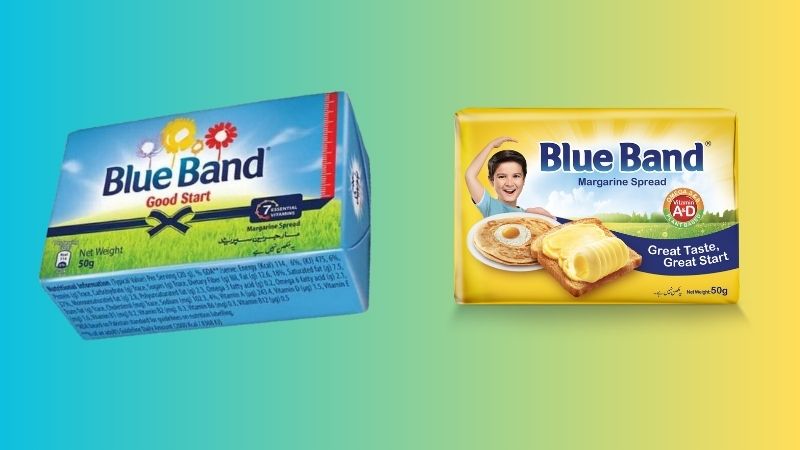
It’s a common question: “Is Blue Band a margarine or butter?” The answer, unfortunately, is not so straightforward.
Another question people always get confused about: How many calories in blue band butter? It’s around 740 calories per 100g. If you weigh it correctly before eating then you’d be easily able to track your overall calories.
On the one hand, Blue Band is made from vegetable oils, which are typically used to make margarine. On the other hand, however, Blue Band contains milk fat, which is more commonly associated with butter.
So what’s the verdict? Technically speaking, Blue Band is closer to margarine than to butter, in the same way that Nestle Milk Pack cream is closer to a dairy fat than to milk. However, its unique mix of ingredients means that it doesn’t fit neatly into either category. Ultimately, whether you consider Blue Band to be a margarine or butter is up to you.
Is Blue Band Real Butter?
Blue Band is a margarine, which means that it’s made from vegetable oils rather than dairy products.
Many people assume Blue Band is real butter. In fact it is a fat spread built mainly from vegetable oils, with a little milk fat added for flavour, so it behaves like butter in the kitchen without being dairy butter. Harvard’s comparison of butter and margarine is a useful guide to which fat suits you better.
The only difference is that Blue Band is spreadable, so it’s perfect for spreading on toast or other foods. If you’re looking for a delicious and nutritious spread, Blue Band is a great option, and since you know how many calories in blue band butter, you can easily track your calorie count.
This might not seem like a big deal, but it makes a big difference in terms of taste and texture.
Real butter has a richer, creamier flavor that many people prefer. It also tends to be more spreadable, making it ideal for toast or other breakfast foods.
So if you’re looking for something that tastes more like butter, you’ll want to steer clear of Blue Band.
Blue Band Butter Health Benefits:
Blue Band is a fortified fat spread, which is why it carries a useful amount of vitamins A and D alongside its fat. This treatment makes the butter more digestible and helps to preserve its nutrients.
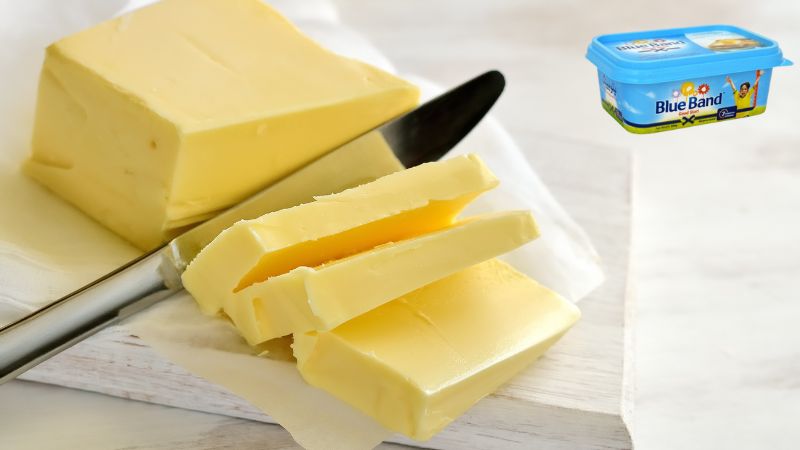
Some of the health benefits associated with blue band butter include:
Improves Digestion
The enzymes in blue band butter help break down fats and proteins, making them more easily absorbed by the body. This can lead to improved digestion and overall gut health.
Boosts Immunity
Blue band butter is rich in vitamins A and E, essential for boosting immunity. Additionally, lauric acid has antimicrobial properties that may help fight off infection, which is the same fatty acid behind weight loss with coconut oil.
Promotes Weight Loss
Despite being high in fat, blue band butter can actually help you lose weight. The fatty acids present in this type of spread can help keep you full, so a small amount on French toast or a paratha with egg can stop you reaching for a second helping. Portion size still decides the outcome.
Reduces Inflammation
The anti-inflammatory properties of blue band butter can help to reduce swelling and pain associated with conditions like arthritis.
Improves Heart Health
The fatty acids present in blue band butter can help to lower cholesterol and triglyceride levels, which can improve heart health. Additionally, the lauric acid present in this type of butter can help to prevent the formation of blood clots.
Overall, blue band butter provides a variety of health benefits that make it a great addition to your diet. If you are looking for a delicious and nutritious way to improve your health, blue band butter is a great option!
Key Takeaways
- Blue Band carries about 717 to 740 calories per 100g, roughly 74 calories per 10g, and a full stick works out at around 819 calories.
- It is a fat spread made mainly from vegetable oils, not dairy butter, even though it is used the same way.
- Almost all of its energy comes from fat, with no protein, carbohydrate or fibre to speak of.
- It is fortified, so it supplies useful vitamin A and vitamin D alongside the fat.
- Sodium is worth watching at roughly 360mg per 100g if you are managing blood pressure.
- A teaspoon-sized portion is the difference between a reasonable spread and a hidden calorie load, which is the same portion logic behind our best weight loss tips from a dietitian.
- If you want a richer taste and are not counting fat, dairy butter or desi ghee will suit you better.
So, if you’re trying to limit your fat intake, you may want to steer clear of Blue Band. However, if you’re not concerned about fat, then Blue Band is a perfectly fine choice or you may consult the a registered dietitian in Lahore for more information according to your health.
Table spreads are almost entirely fat, so the number depends on the knife rather than the brand. Measuring it once is usually enough to change how much you use, which is the sort of thing an online diet consultation sets up.